.avif)
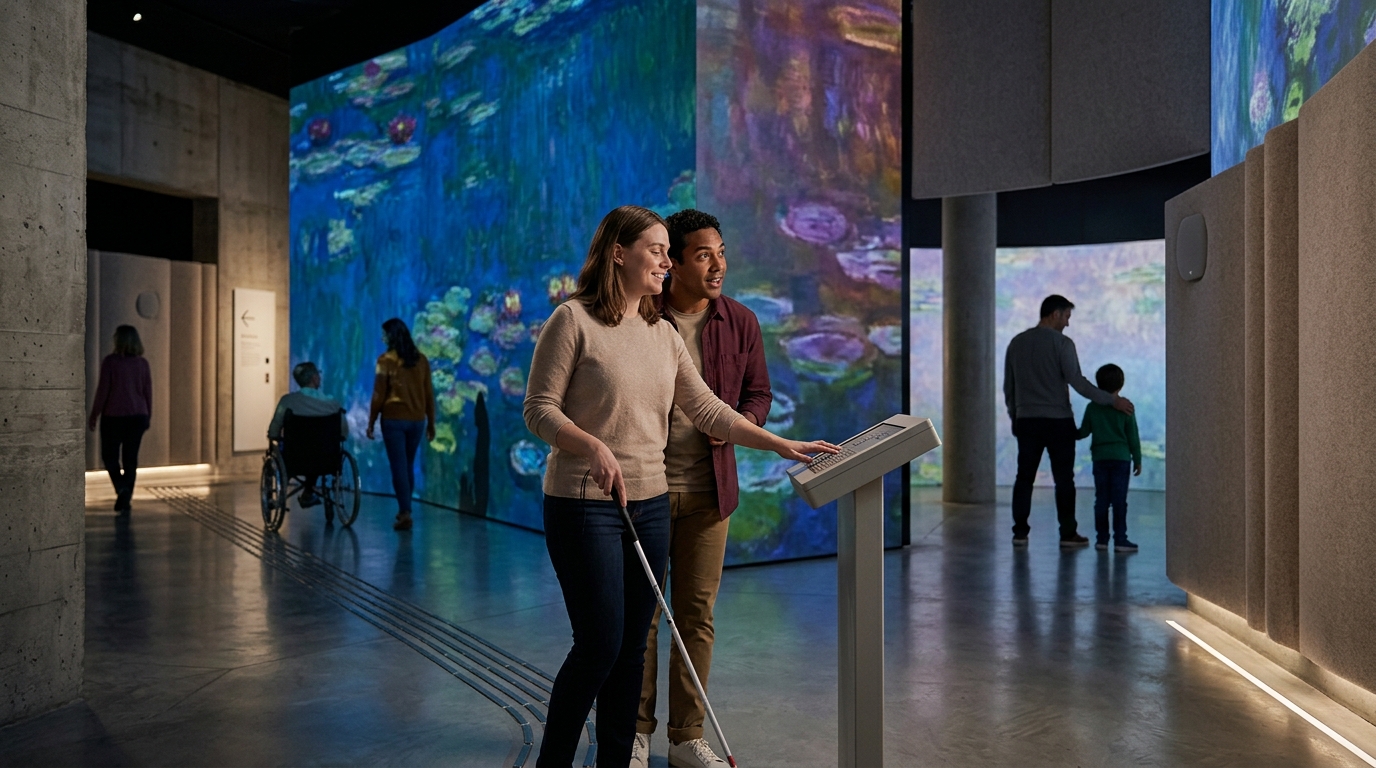
Museums ensure immersive exhibitions welcome visitors of all abilities by integrating multi-sensory design, clear wayfinding, and flexible pacing. Grande Experiences builds these principles into every installation, ensuring that digital art remains accessible to neurodivergent guests, individuals with sensory sensitivities, and those with physical mobility challenges. This approach transforms cultural spaces into truly inclusive environments. according to Expanding Your Market
Understanding the Scope of Museum Accessibility
Accessibility in a museum context is the practice of removing physical, sensory, and cognitive barriers to allow every visitor to engage with the collection. The U.S. Access Board notes that museums that design accessible exhibitions can potentially attract more than 50 million Americans with disabilities to their doors. This demographic represents a significant audience segment that is often underserved by traditional gallery layouts. By prioritizing inclusivity, institutions can broaden their reach and deepen community engagement.
Multi-Sensory Design and Sensory Sensitivities
Immersive environments often rely on intense audio and visual stimuli, which can be overwhelming for some visitors. A multi-sensory exhibition is an experience that engages multiple senses simultaneously, including sight, sound, and sometimes smell. While this creates a powerful emotional connection for many, it requires careful calibration for those with sensory processing differences. Museums can mitigate this by offering quiet zones or lower-intensity viewing areas within the exhibition space. according to Comparing Immersive and
Research from the University of Glasgow reveals a clear public appetite for immersive digital experiences, but also highlights the need for varied engagement levels. Grande Experiences designs its environments, such as Van Gogh Alive, to allow visitors to control their own pace. By providing clear signage and optional audio guides, museums can help visitors manage their sensory load. This flexibility ensures that the experience remains welcoming rather than exclusionary.
Physical Mobility and Spatial Navigation
Physical accessibility is the foundation of any inclusive exhibition design. It involves ensuring that all areas of the exhibition are reachable by visitors using wheelchairs, walkers, or other mobility aids. Standard museum practices include maintaining clear pathways, providing seating at regular intervals, and ensuring that interactive elements are at varying heights. For immersive shows that use projection mapping, the floor plan must account for the sightlines of seated visitors. according to Inclusive Design Research
Grande Experiences installs its exhibitions into venues ranging from 20 square meters to over 2,000 square meters. In each case, the layout is tailored to the specific venue's architecture. This includes checking for step-free access and ensuring that the immersive content is visible from multiple vantage points. By working closely with venue managers, Grande ensures that the physical space supports the digital content without creating bottlenecks or barriers.
Cognitive Accessibility and Clear Communication
Cognitive accessibility is the design of information and environments to be understandable and usable by people with cognitive disabilities. This includes using plain language in interpretive text, providing visual cues for navigation, and offering multiple formats for content delivery. For visitors with neurodivergent conditions, such as autism, predictable layouts and clear signage can reduce anxiety and enhance the experience. Museums should consider providing social stories or preview videos that explain what to expect before entering the immersive space. according to Expanding Your Market
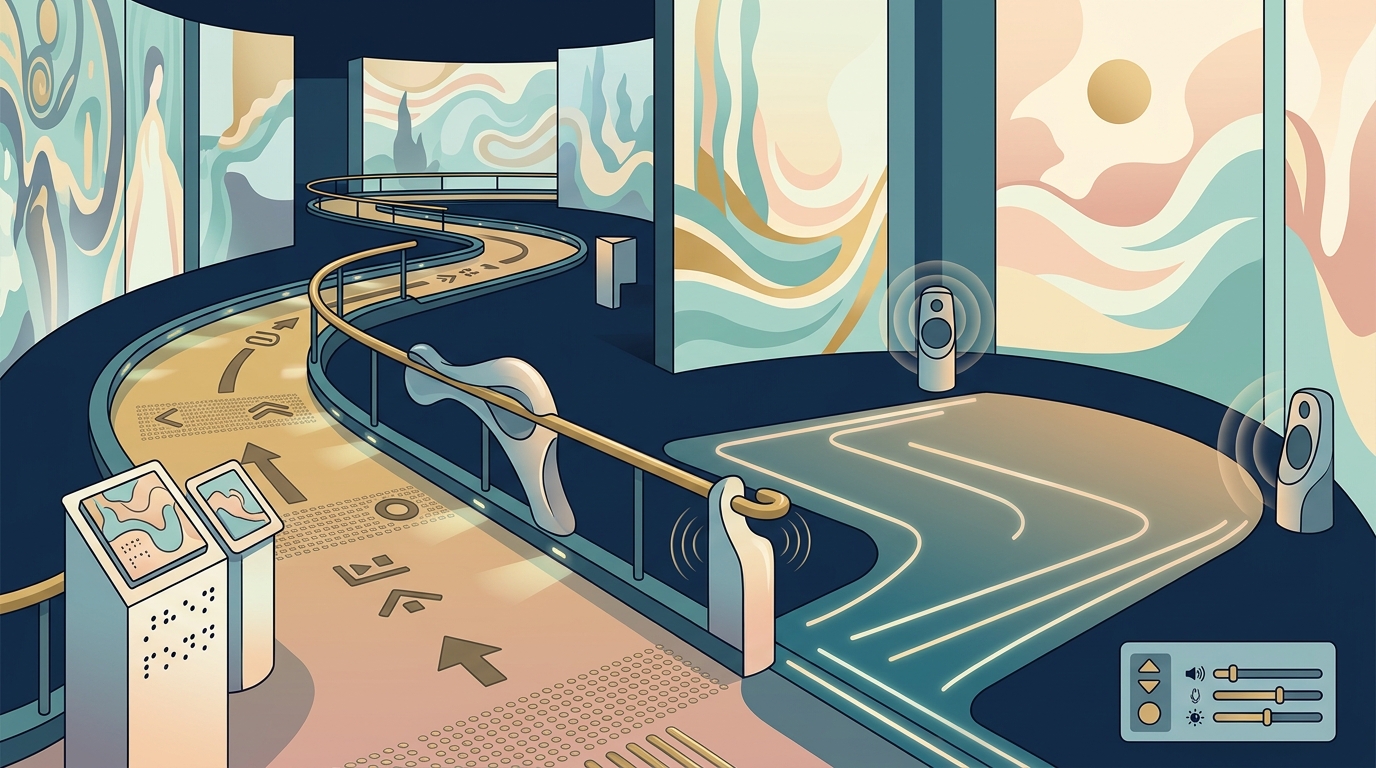
Implementing Inclusive Practices in Touring Exhibitions
When booking a touring exhibition, museums must consider how the show aligns with their own accessibility standards. This involves reviewing the technical requirements of the exhibition and ensuring that the venue can meet them. For example, if an exhibition uses aroma as part of the sensory experience, the museum must ensure that the ventilation system can manage this without affecting visitors with respiratory sensitivities. Clear communication between the exhibition provider and the venue is essential for a successful inclusive rollout. according to Neurodivergence and Art
Grande Experiences manages the entire process, from scoping and quoting to installation and support. This includes providing a blueprint for day-to-day operations and training the local team to run the exhibition. By offering a comprehensive operating model, Grande helps venues maintain high standards of accessibility throughout the run of the show. This partnership approach ensures that the exhibition remains a welcoming space for all visitors, regardless of their abilities. according to Survey reveals public
Key Takeaways
- Accessibility is a holistic design philosophy that addresses physical, sensory, and cognitive barriers.
- Multi-sensory environments must be calibrated to accommodate visitors with sensory sensitivities. according to Met Welcomes Nearly
- Physical mobility requires step-free access, clear pathways, and flexible sightlines.
- Cognitive accessibility involves plain language, clear signage, and predictable layouts.
- Partnerships with experienced providers like Grande Experiences ensure that accessibility is built into the exhibition design.
- Regular review of accessibility practices helps museums adapt to the evolving needs of their audiences.
Frequently Asked Questions
What is an accessible immersive exhibition?
An accessible immersive exhibition is a digital art experience designed to be engaging and usable by visitors of all abilities, including those with physical, sensory, or cognitive disabilities. according to Can Museums Help
How can museums make immersive shows less overwhelming?
Museums can offer quiet zones, adjustable audio levels, and clear wayfinding to help visitors manage sensory input during immersive experiences. according to Creating a Sensory
Does Grande Experiences provide accessibility support?
Yes, Grande Experiences integrates accessibility into its design process, providing interpretive materials and training to help venues create inclusive environments.
What are the benefits of inclusive exhibition design?
Inclusive design broadens the audience, enhances visitor satisfaction, and ensures that cultural institutions serve their entire community effectively. according to Can Museums Help
How should museums prepare their venues for an immersive show?
Museums should review floor plans for step-free access, check lighting and sound systems, and ensure that interactive elements are reachable by all visitors. according to Neurodivergence and Art