
7 Space Features Immersive Exhibitions Need for Multi-Month Partnerships
1. Structural Load Capacity and Floor Integrity
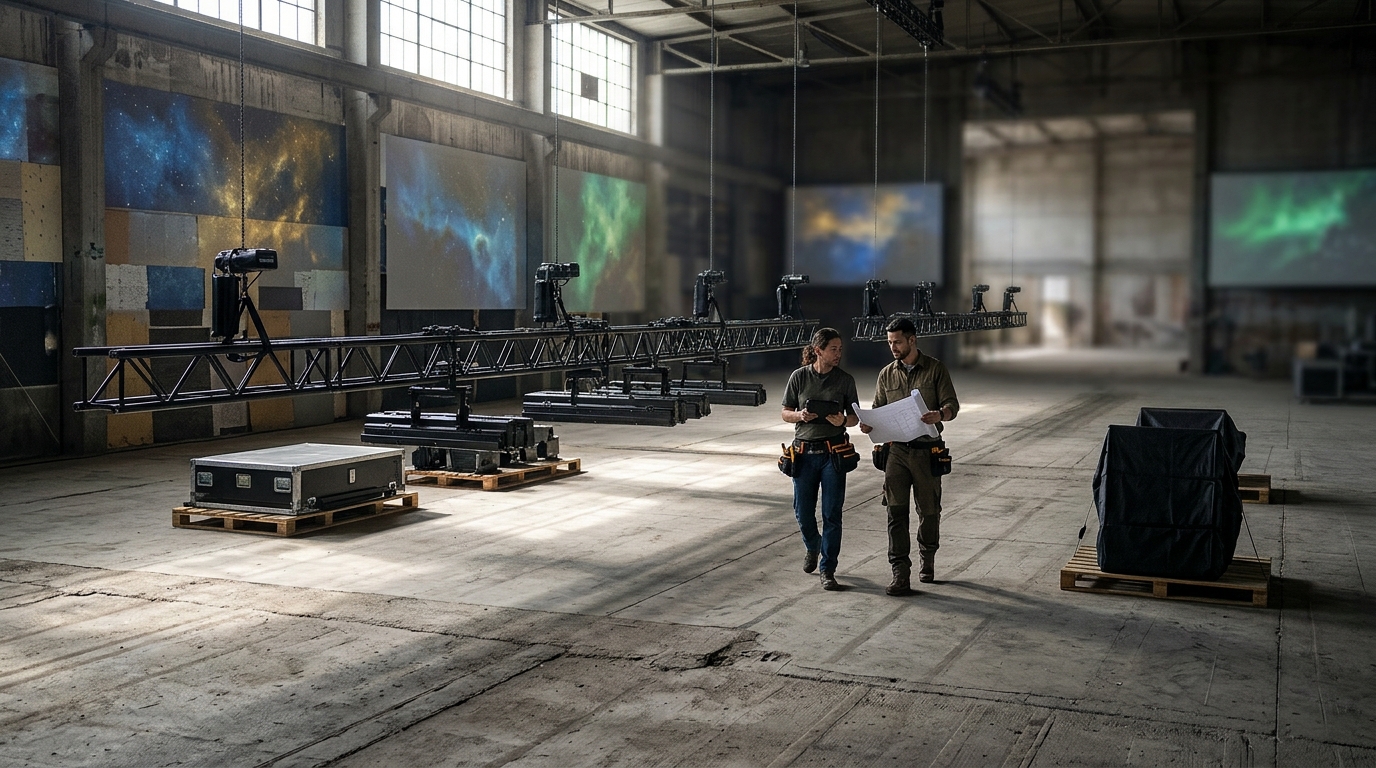
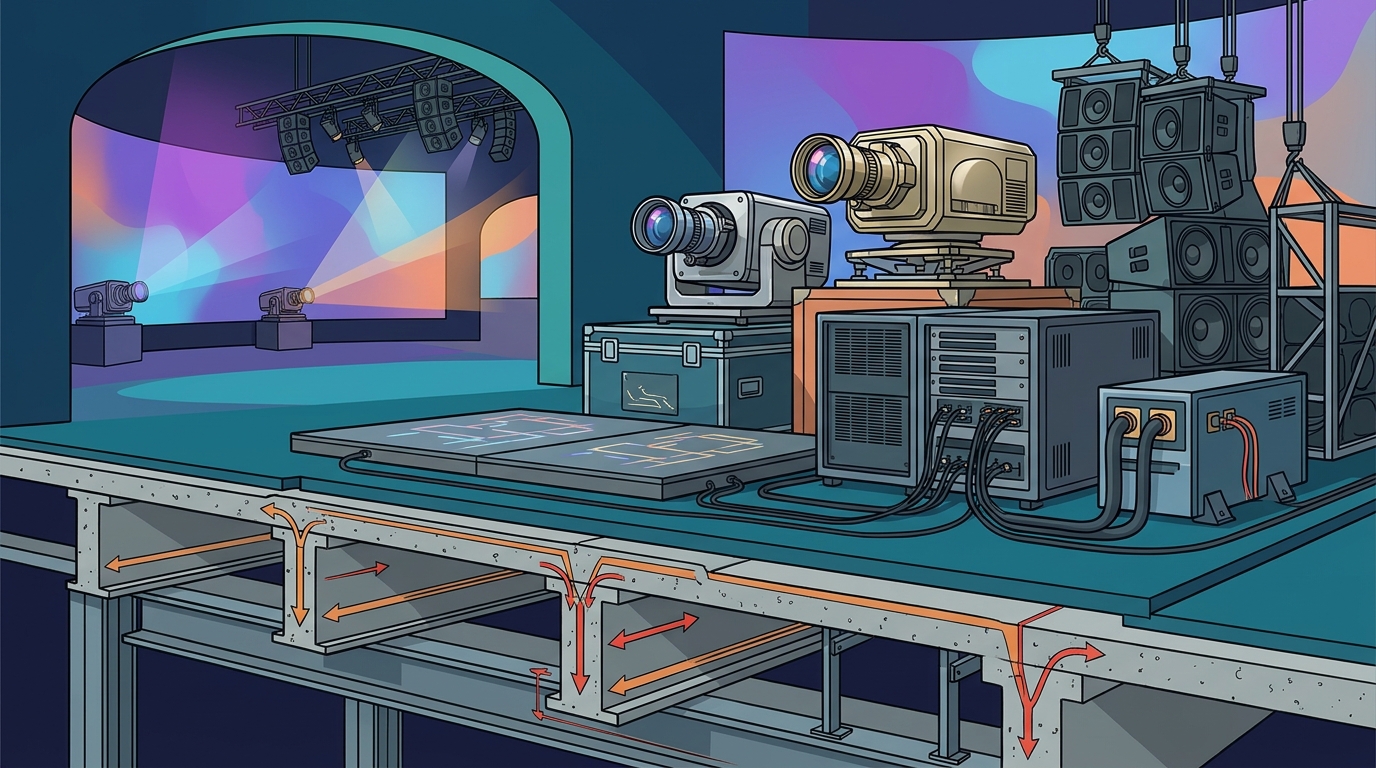
Heavy projection and audio equipment require reinforced flooring to ensure safety. Immersive installations often utilize large-scale projectors, heavy speaker arrays, and interactive platforms that exert significant weight. For a multi-month partnership, the venue floor must support these loads without risk of structural fatigue. Grande Experiences assesses the load-bearing capacity of the space to ensure that all equipment is installed securely and safely for the duration of the run.
2. Acoustic Isolation and Soundproofing
Effective soundproofing prevents audio bleed and maintains immersion quality. Multi-sensory experiences rely on high-fidelity audio that can be disruptive to adjacent areas. The space must offer sufficient acoustic isolation to contain sound within the exhibition zone. This feature is essential for venues located within larger complexes, such as shopping centers or museums, where noise control is a primary operational requirement.
3. Climate Control and Environmental Stability
Stable temperature and humidity levels protect sensitive digital hardware. Precision projection and interactive technology are sensitive to environmental fluctuations. A dedicated climate control system ensures that equipment operates within optimal temperature and humidity ranges. This stability is critical for preventing hardware failure and maintaining the visual quality of the immersive environment over several months.
4. High-Capacity Electrical Infrastructure
Dedicated power circuits are necessary to handle high-energy visual displays. Large-scale immersive exhibitions require substantial power to drive multiple high-lumen projectors and interactive sensors. The venue must provide dedicated electrical circuits with sufficient amperage to support the installation without overloading existing systems. Grande Experiences works with venue engineers to map out power requirements and ensure a reliable energy supply for the entire partnership period.
5. Flexible Footprint and Modular Layout
Adaptable space allows for optimized visitor flow and content updates. Immersive exhibitions often feature modular components that can be reconfigured to manage crowd density. A flexible footprint, ranging from compact interactive fit-outs to large flagship galleries, allows the venue to adjust the layout based on attendance patterns. This adaptability is key to maintaining a smooth visitor experience during peak times in a multi-month run.
6. Secure Back-of-House and Storage
Dedicated secure storage protects equipment during off-hours and maintenance. For long-term partnerships, the venue must provide secure back-of-house space for equipment storage, maintenance tools, and staff operations. This area should be accessible to the technical team for routine checks and repairs. Secure storage ensures that all components are protected from unauthorized access and environmental damage when the exhibition is not open to the public.
7. Integrated Safety and Emergency Egress
Clear emergency exits and safety protocols are non-negotiable for public venues. Immersive environments can be visually intense, requiring clear sightlines to emergency exits and well-lit egress paths. The space must comply with local fire safety and accessibility regulations to ensure the safety of all visitors. Grande Experiences integrates safety features into the design to ensure that the immersive experience does not compromise the venue's compliance standards.
Choosing the Right Space for Your Venue
When selecting a space for an immersive exhibition, prioritize structural integrity and technical infrastructure over aesthetic flexibility. A venue that can support the weight, power, and environmental needs of the installation will provide a more stable and successful partnership. For specific requirements, to discuss your venue's capabilities.
Frequently Asked Questions
What is the minimum space required for an immersive exhibition?
Footprints range from approximately 20 square meters for interactive fit-outs to over 2,000 square meters for flagship galleries. The specific requirement depends on the scale of the experience and the desired visitor throughput.
Can immersive exhibitions be installed in existing museum galleries?
Yes, many exhibitions are designed to fit within existing museum or gallery spaces. The key is ensuring that the structural and electrical infrastructure can support the additional equipment and environmental controls.
How long does the installation process typically take?
Installation timelines vary based on the complexity of the exhibition and the readiness of the venue. Grande Experiences manages the entire process, from procurement to final setup, to ensure a smooth transition to operations.
Do immersive exhibitions require outdoor space?
What kind of support is provided during a multi-month partnership?
Grande Experiences provides ongoing support, including technical maintenance, staff training, and operational guidance. This ensures that the exhibition runs smoothly and safely throughout the entire partnership period.